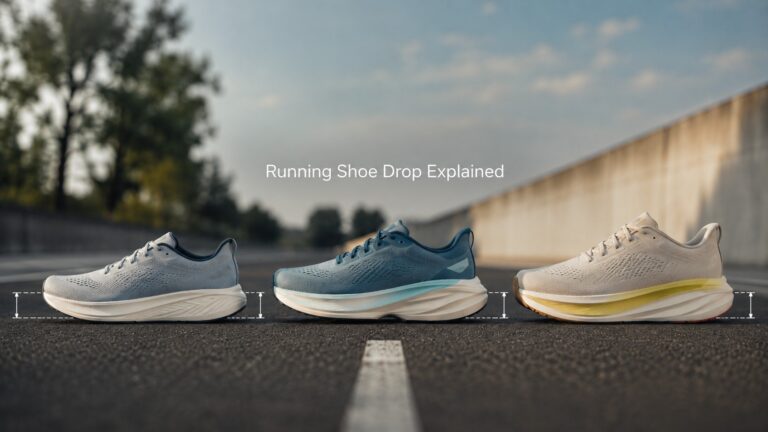


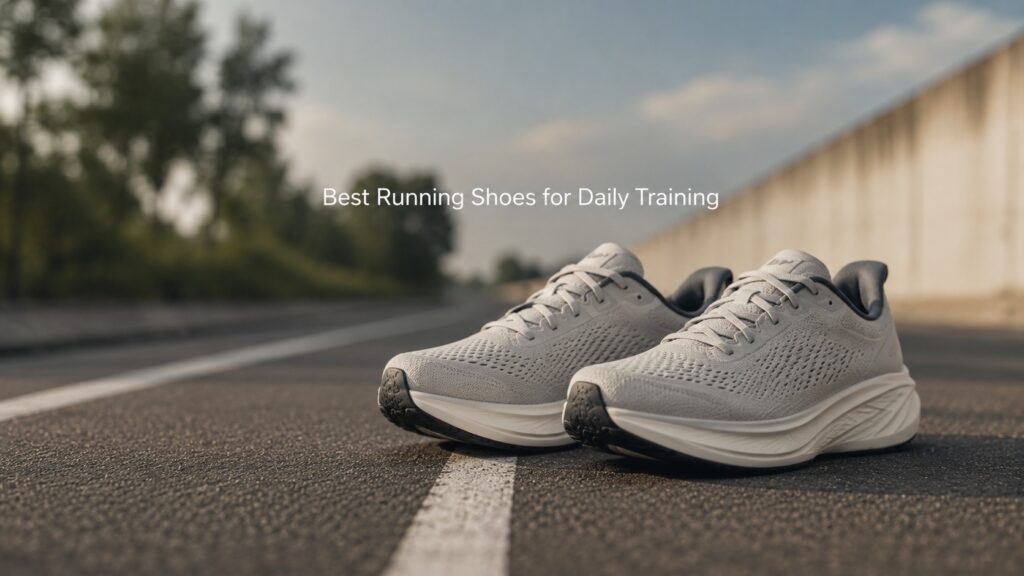
The best running shoes for daily training are not always the fastest, softest or most expensive models. A daily trainer has to do one job well: handle regular mileage comfortably and reliably.
For most runners, the daily trainer is the most important shoe in the rotation.
What Is a Daily Trainer?
A daily trainer is a running shoe for normal training runs. It is the shoe you use most often, for easy runs, steady runs, short runs and sometimes long runs.
It should not be too extreme. A daily trainer should feel comfortable enough for slow mileage and stable enough when you get tired.
What Makes a Good Daily Training Shoe?
1. Comfortable fit
The shoe should hold your foot securely without pressure points. Your toes need room, your heel should not slip and the midfoot should feel supported.
2. Enough cushioning
Daily trainers need enough cushioning to handle repeated impact. That does not mean the shoe must be extremely soft. It just needs to feel protective for your normal distance.
3. Stable platform
Even neutral daily trainers should feel stable. A wide enough base, secure upper and predictable midsole are important for regular use.
4. Durability
A daily trainer should survive regular mileage better than a lightweight race shoe. The outsole and midsole should not feel worn out too quickly.
5. Versatility
The best daily trainer can handle easy runs, steady runs and occasional longer runs. It does not need to be perfect for racing.
Who Needs a Daily Trainer?
Almost every runner needs one. Beginners, intermediate runners and experienced athletes all benefit from a dependable daily shoe.
If you only own one pair of running shoes, it should usually be a daily trainer.
Daily Trainer vs Race Shoe
Race shoes are often lighter, stiffer and more aggressive. They may use carbon plates, very bouncy foams or narrow platforms.
They can be great for race day, but they are not always ideal for everyday training. A daily trainer is usually more durable, more stable and better suited to repeated mileage.
Soft or Firm Daily Trainer?
This depends on preference and body type.
- Soft daily trainers can feel comfortable for easy runs.
- Firmer daily trainers can feel more stable and controlled.
- Balanced daily trainers are often best for one-shoe use.
Best Daily Trainer Logic by Runner Type
Beginner runner
Choose a comfortable, stable, forgiving daily trainer. Avoid extreme racing shoes or very unstable max cushion shoes as your first running shoe.
Heavier runner
Look for stable cushioning, a durable outsole and a shoe that does not compress too much under your weight.
Runner with wide feet
Choose shoes available in wide versions or models known for a roomier toe box.
Runner doing faster workouts
You can choose a slightly lighter daily trainer, but do not sacrifice comfort and durability if it is your main shoe.
Common Mistakes
Buying only by popularity
A popular shoe may not fit your foot shape or running style.
Choosing the softest shoe in the shop
Very soft cushioning can feel good when walking but unstable when running.
Using old shoes too long
Daily trainers wear down. If the cushioning feels flat or the outsole is heavily worn, it may be time to replace them.
Bottom Line
The best running shoes for daily training are comfortable, stable, durable and appropriate for your normal mileage.
Start with the shoe that fits your foot and training use, not the one with the most aggressive marketing.
Use the Running Shoe Fitter to narrow down daily trainers based on cushioning, foot type and training style.