

Have you noticed how small some footballers’ shin pads have become?
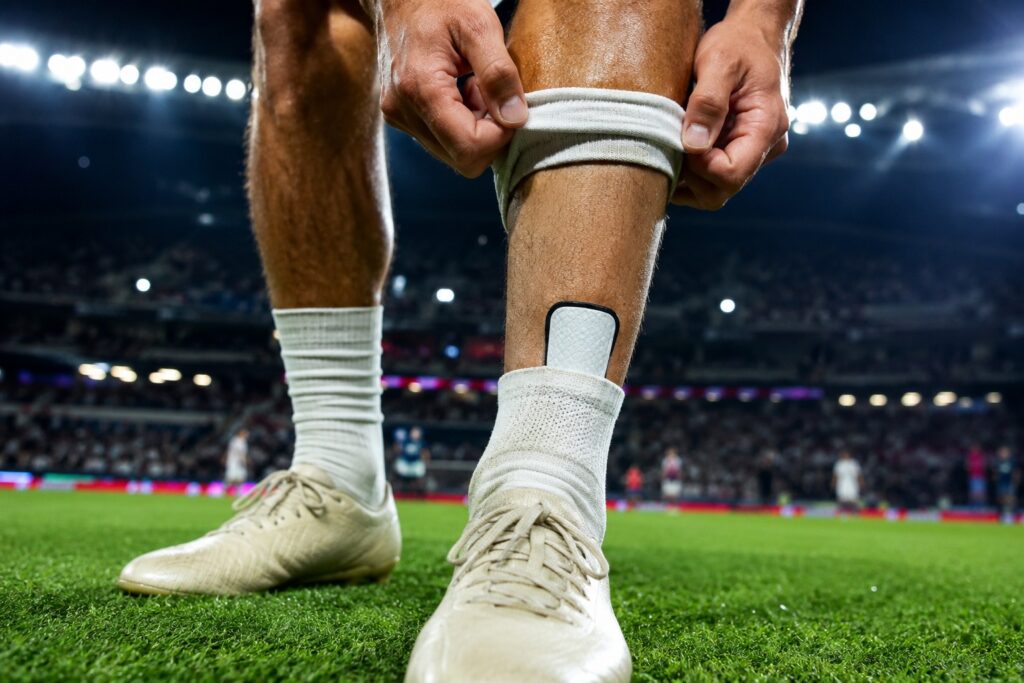
During the World Cup, you may see players pulling up their socks before entering the pitch, only to reveal a shin guard that appears barely large enough to protect anything.
Some are not much bigger than a credit card.
So why are professional footballers wearing shin pads this small? Are they actually legal, do they offer meaningful protection, and should younger players copy them?
Why Have Football Shin Pads Become So Small?
The main reason is comfort.
Modern footballers want equipment that feels as light and unobtrusive as possible. Large shin guards can move inside the sock, trap heat or feel restrictive when running and changing direction.
A tiny shin pad is easier to secure and is barely noticeable once the match begins.
For professionals, even a small improvement in comfort can feel worthwhile during 90 minutes of high-intensity football.
Do Tiny Shin Pads Make Players Faster?
Not in any meaningful way.
A smaller shin guard weighs less, but the difference is unlikely to turn a player into a faster runner. The perceived advantage is mostly about comfort and freedom of movement rather than measurable speed.
If a player feels less restricted, however, that can still affect confidence and concentration. Professional players often become very particular about how their boots, socks and protective equipment feel.
It is similar to choosing lightweight football boots: the psychological feeling of being quicker can sometimes matter more than the small difference on the scales.
Are Tiny Shin Pads Allowed?
Shin guards are compulsory under the Laws of the Game.
They must:
- Be made from a suitable material
- Be an appropriate size to provide reasonable protection
- Be covered by the player’s socks
The rules also state that players are responsible for the size and suitability of their own shin guards.
This is where the situation becomes less clear. The Laws do not provide a universal minimum height or width that every shin pad must meet.
That leaves room for players to use very small guards, provided the officials and competition organisers consider them acceptable.
Do Tiny Shin Pads Actually Protect the Leg?
They provide some protection, but only across the small area they cover.
A hard shell can help absorb or spread the force of a direct impact. However, a tiny pad leaves much more of the shin exposed than a properly sized guard.
It cannot prevent every football injury, and even a large shin guard does not make the lower leg invulnerable. But all else being equal, a larger protective area gives a tackle or stray stud a better chance of hitting the pad instead of the unprotected shin.
Why Are Professional Players Willing to Take That Risk?
Elite players often prioritise performance feel over maximum protection.
They may choose tiny shin pads because:
- They feel lighter inside the socks
- They create less pressure around the calf
- They are less likely to move during a sprint
- They interfere less with close-fitting socks
- The player has used the same style for years
- They simply prefer the appearance
Professionals also have immediate access to medical staff, treatment and customised equipment. That does not eliminate the injury risk, but it is very different from the situation of a child or amateur player.
Do Different Playing Positions Need Different Shin Pads?
There is no rule requiring defenders, midfielders and forwards to wear different sizes.
However, their personal preferences may differ.
A defender who regularly blocks shots and enters tackles may prefer more coverage. A winger who values a lightweight feeling may choose something smaller.
Position alone should not decide the size, though. The correct choice also depends on comfort, leg size, playing level and how much protection the player wants.
Should Children Copy Professional Players?
Generally, no.
Children should use shin guards that fit properly and cover a reasonable section of the shin. Their equipment should be selected for protection and comfort, not simply because a famous player wears a tiny model.
Young players are still developing their coordination and tackling technique. Youth matches can also contain accidental kicks and poorly timed challenges.
A larger, correctly fitted shin guard provides more useful coverage without needing to be excessively heavy or uncomfortable.
Parents and coaches should also check the rules of the club, league or national association. Some youth competitions may apply stricter equipment requirements than those seen in professional football.
How Should a Shin Guard Fit?
A good shin guard should sit centrally over the shinbone and remain stable while the player runs.
It should not:
- Slide down into the ankle
- Rotate around the side of the leg
- Create painful pressure points
- Be so large that it restricts the knee or ankle
- Be so small that most of the shin remains exposed
The player should test the guards with the same socks and sleeves they intend to wear during matches.
Are Slip-In or Ankle-Protected Shin Guards Better?
Neither design is automatically better for everyone.
Slip-in shin guards are lightweight and easy to position but normally need a sleeve or tape to keep them secure.
Ankle-protected shin guards usually offer additional padding around the ankle and are often easier for younger players to keep in place. However, some players find them bulkier.
The best option is the one that provides suitable coverage, stays secure and remains comfortable throughout the match.
Do Boots and Socks Affect the Choice?
Yes. Football equipment should work as a complete system.
Tight compression socks may make a bulky shin guard uncomfortable, while a loose sock may not hold a small slip-in pad securely.
Boot fit matters for the same reason. Equipment that slips, pinches or moves can distract the player during the match.
Our guide on how to choose football boots explains how fit, playing surface and soleplate should influence your boot choice.
Players who struggle with pressure or movement inside their boots can also use our football boot width chart to check whether their feet are narrow, standard or wide.
So Why Do World Cup Players Wear Tiny Shin Pads?
Because they can.
The smallest guards are lightweight, discreet and comfortable, and the rules do not specify one fixed minimum measurement for every player.
Professionals therefore balance the legal requirement for shin guards against their desire to wear as little equipment as possible.
That does not mean the smallest option is the safest one.
Frequently Asked Questions
Are tiny shin pads legal in football?
Shin guards are compulsory and must be an appropriate size to provide reasonable protection. However, the Laws of the Game do not specify one universal minimum measurement.
Why do professionals prefer small shin pads?
They are lighter, less restrictive and easier to wear beneath tight match socks. Many professionals prioritise comfort and freedom of movement.
Do small shin pads offer enough protection?
They protect the small area they cover, but leave more of the shin exposed than a larger, correctly fitted guard.
Should children wear mini shin pads?
Children are generally better served by properly sized shin guards that cover a meaningful part of the shin and remain securely in place.